
The Complete Guide to Adopting a Rescue Dog: A Step-by-Step Journey

There's a moment that many adopters describe in almost the same words: a dog who has spent weeks, months, or even years in a kennel finally walks through your front door, sniffs every corner of the living room, and then lets out a long sigh and flops down at your feet. In that sigh is the beginning of a relationship that can reshape your daily life for the next decade or more.
Adopting a rescue dog is one of the most rewarding things you can do, but it works best when you go in prepared. Excitement alone doesn't make a good match; honest planning does. This guide walks you through the whole journey, from deciding whether you're ready, to finding the right organization and the right dog, to those first overwhelming days at home and the months of bonding that follow. Grab a coffee, and let's get into it.
Understanding the Commitment
Before you scroll through a single adoptable-dog listing, take a clear-eyed look at what dog ownership actually involves. Every year, dogs are returned to shelters not because they were bad dogs, but because their families underestimated what they were signing up for. A little honesty now spares you, and a dog, a lot of heartache later.
Time. Dogs are social animals, and they need far more than a bowl of food and a backyard. Daily exercise, training, play, and simple companionship add up to several hours of your day. Puppies and high-energy adults need even more. Ask yourself what a typical weekday looks like. If you work long hours away from home, who will give the dog a midday break? If you travel often, who will care for them? These aren't dealbreakers, but they do need answers.
Money. The adoption fee is just the opening line of the budget. Food, treats, toys, a bed, a crate, a leash and collar, grooming, routine veterinary care, vaccinations, flea and tick prevention, and training classes all add up. Then there's the unexpected: an emergency vet visit or a sudden illness can run into the hundreds or thousands of dollars. Many owners set aside an emergency fund or look into pet insurance before the dog ever comes home.
Years. Dogs commonly live 10 to 15 years, and sometimes longer. That's a long-term relationship that will carry you through job changes, moves, new relationships, and maybe children. Before you adopt, picture your life a decade from now and ask whether a dog fits into it. If the answer is yes, you're ready to take the next step.
Researching Rescue Organizations

Once you've decided to adopt, the next job is finding where to adopt from. Rescues and shelters vary quite a bit in how they operate, so a little research goes a long way.
Look for reputable organizations. Start with online reviews, and ask friends, family, coworkers, and your local veterinarian for recommendations. People who have adopted recently are often your best source of honest information. A good organization puts animal welfare first. That usually means dogs are kept in clean, humane conditions, are vaccinated and examined by a vet, and are often spayed or neutered before adoption. The staff should be transparent about what they know, and what they don't know, about each dog.
Visit in person. Photos and short bios can only tell you so much. Spend time at local shelters and rescue events to get a feel for the environment. Notice how the staff and volunteers interact with the animals. Are the dogs being walked and played with? Is the facility clean? Does everyone seem genuinely invested? Visiting also gives you a sense of the range of dogs available, which can broaden your idea of what kind of dog might suit you. Many people walk in looking for one type and leave with a completely different, and perfect, companion.
Ask plenty of questions. Don't be shy here. Staff and volunteers who know the dogs well can tell you a lot: where the dog came from, how they behave with other dogs, children, or cats, how they handle being alone, whether they have any medical needs, and what they're like on a leash. If a dog has a history you'll need to work around, you want to know before you commit, not after. A good organization will welcome your questions and answer them honestly, even when the answer is "we don't know yet."
Choosing the Right Dog
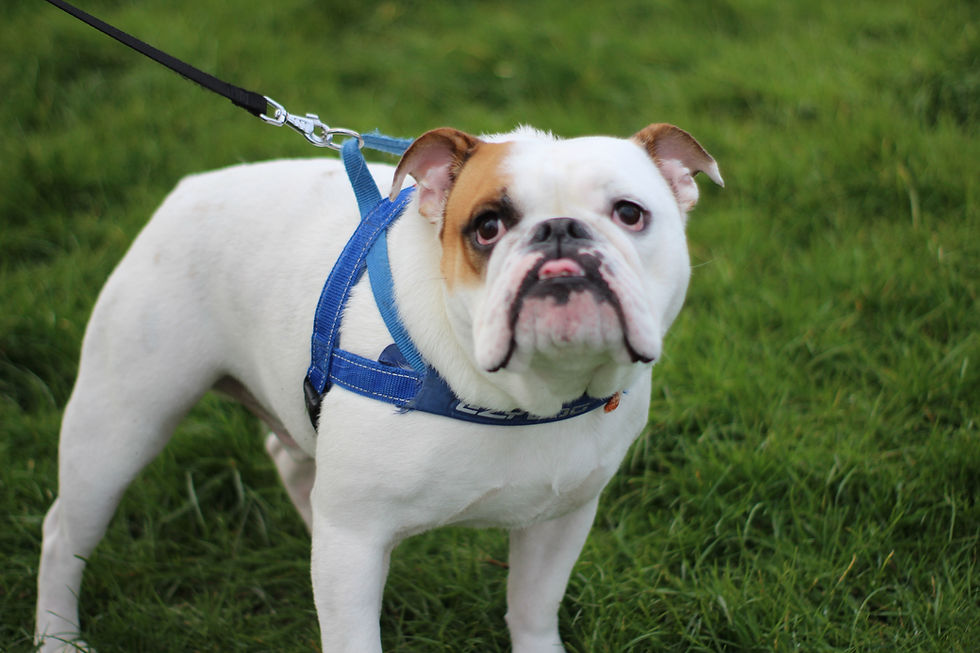
This is the part everyone looks forward to, and also the part where it pays to think with your head as well as your heart. A dog who is adorable but wrong for your lifestyle can be a frustrating match for both of you.
Size and breed. Think about where you live. Larger dogs generally need more room to move and more exercise, though some big dogs are surprisingly happy lounging in a modest space as long as they get out for regular walks. Smaller dogs often adapt more easily to apartment life, but many of them are packed with energy and personality. Keep in mind that many rescues are mixed breeds, and a breed label on a kennel card is often a best guess. Don't get too attached to labels. Look at the individual dog in front of you.
Energy level. This may be the single most important factor in a good match. If you're a runner or hiker who spends weekends outdoors, a high-energy dog could be a joyful partner. If your ideal evening is a quiet night on the couch, a calm, low-energy dog will be far happier with you than a bundle of nonstop motion. A mismatch in energy is one of the most common reasons adoptions struggle, because a bored, under-exercised dog will often find their own entertainment, usually at the expense of your furniture.
Temperament. Spend real time with the dogs you're considering. Take them for a walk if the shelter allows it. Watch how they respond to new people, to noises, and to being handled. Some dogs are outgoing and bold; others are shy and need patience to open up. Neither is better, but one will likely suit you better than the other. Many shelters also offer meet-and-greets with your current dog or your family so you can see how everyone gets along. Trust what you observe, and trust the staff's insight, since they've often spent weeks getting to know each dog.
Preparing Your Home

Before your new dog comes home, take some time to get your space ready. A little preparation makes the first days much smoother, and it helps your dog feel safe sooner.
Dog-proof your home. Get down to a dog's eye level and look around. Remove or secure anything that could be hazardous: toxic houseplants, loose electrical cords, medications, cleaning products, and small objects that could be swallowed. Some everyday foods, including chocolate, grapes, raisins, onions, and anything containing the sweetener xylitol, are dangerous for dogs, so keep them out of reach. If you have a yard, check the fencing for gaps and make sure gates latch securely. A newly adopted dog may be anxious and could bolt at the first opportunity, so a secure environment is essential.
Create a comfortable space. Set up a designated spot for your dog with a comfortable bed, a few toys, and bowls for food and water. Some dogs feel more secure in a crate that serves as a quiet, den-like retreat, but it should never be used as punishment. Having a consistent "home base" gives your dog a place to retreat and decompress when everything feels like too much.
Gather your supplies. Stock up before the big day so you're not running to the store while your dog is settling in. You'll want food (ideally the same kind they've been eating at the shelter, at least at first), treats, a sturdy leash and a well-fitted collar or harness, an ID tag with your phone number, waste bags, grooming tools, and a few chew toys. Having everything on hand lets you focus on your dog rather than your shopping list.
The Adoption Process
Once you've found the right dog and prepared your home, it's time for the paperwork. The process can feel thorough, even a little intimidating, but there's a good reason for it. Rescues want every dog to find a lasting home, and they want to avoid the heartbreak of a return.
The application. Most rescue organizations ask you to complete an application. Expect questions about your living situation, your work schedule, other pets, your household members, and your experience with dogs. Be honest. Trying to say what you think the organization wants to hear can backfire, because the goal is to find the best match, not to pass a test. If you rent, you may be asked for your landlord's contact information to confirm that dogs are permitted.
The interview. Some organizations follow up with a conversation to get to know you better. This is a two-way street: it's their chance to make sure you and the dog are a good fit, and it's your chance to ask more questions. Be ready to talk about your lifestyle, how you plan to exercise and train the dog, and what you'll do if challenges come up.
The home visit. In some cases, a representative will visit your home to make sure it's safe and suitable. Don't stress about this one. They're not looking for a perfect, spotless house. They're checking for basics like secure fencing, a safe environment, and a family that's prepared. If you've followed the steps above, you're already ahead of the game.
Be patient with the timeline, too. Depending on the organization, approval can take anywhere from a day to a couple of weeks. It's worth the wait.
Bringing Your Dog Home

The first day with your new dog can be both thrilling and overwhelming, for you and for them. Remember that your dog has just experienced a huge upheaval. New smells, new sounds, new people, and no idea what comes next. Your job is to make the transition as calm and predictable as possible.
Take it slow. Resist the urge to throw a welcome party or introduce your dog to every friend and relative right away. Let them explore their new home at their own pace, starting with a calm walk around the yard or the block, then a quiet tour of the house. Keep the first few days low-key, with few visitors and minimal excitement. Many trainers talk about a rough "3-3-3" guideline: about three days to decompress, three weeks to start learning the routine, and three months to feel truly at home. It's not a strict rule, and every dog is different, but it's a helpful reminder that adjustment takes time. You may not see your dog's true personality for weeks.
Establish a routine. Dogs thrive on predictability. Set consistent times for meals, walks, play, and bedtime. A reliable schedule helps your dog understand what to expect, which reduces anxiety and speeds up bonding. It also makes house training much easier, since regular feeding times lead to regular bathroom breaks.
Use positive reinforcement. From day one, reward the behavior you want to see. When your dog goes to the bathroom outside, settles calmly on their bed, or checks in with you on a walk, offer a treat, a happy voice, or a pat. Positive reinforcement builds trust and confidence, and it teaches your dog that good things happen when they work with you. Harsh corrections, on the other hand, can damage trust, especially with dogs who have a difficult past.
Training Your Rescue Dog
Training isn't just about teaching tricks. It's about communication, safety, and helping your dog feel confident in the world. Some rescue dogs arrive already trained, while others have never had formal instruction. Either way, training is one of the best investments you can make.
Start with the basics. Commands like "sit," "stay," "come," and "leave it" form the foundation of good manners, and they can keep your dog safe in unpredictable situations. Keep sessions short, ideally five to ten minutes, and end on a success. Use small, tasty treats and plenty of praise. Consistency matters, so make sure everyone in the household uses the same words and the same rules.
Socialize carefully. Exposing your dog to different people, places, sounds, and other friendly animals helps them become well-adjusted and confident. But go at your dog's pace. For a nervous rescue dog, too much too soon can backfire. Start with calm, controlled experiences, such as a quiet walk in the park, and gradually build up. Reward calm behavior, and give your dog space to retreat if they feel overwhelmed.
Consider professional help. Obedience classes are a great way to build skills, strengthen your bond, and get expert guidance. A good trainer can help you read your dog, troubleshoot problems, and tailor techniques to your dog's personality. Look for trainers who use reward-based methods, and don't hesitate to ask about their approach. Classes also double as a structured socialization opportunity.
Health and Wellness
A healthy dog is a happy dog, and the habits you set early will pay off for years.
Veterinary care. Schedule a vet visit within the first week or two. Bring any medical records from the shelter or rescue. Your vet will perform a check-up, make sure vaccinations are current, check for parasites, and talk with you about preventive care like heartworm, flea, and tick control. If your dog hasn't already been spayed or neutered, this is the time to discuss it. Starting with a vet you trust gives you a partner for the long haul.
Nutrition. A balanced diet suited to your dog's age, size, and activity level supports everything from their coat to their energy to their immune system. Because every dog is different, ask your vet for recommendations rather than guessing. If you plan to change foods, do it gradually over a week or so by mixing the new food in with the old, which helps avoid upset stomachs. Watch portion sizes too, since extra weight can lead to joint problems and other health issues.
Exercise. Regular exercise is essential for both body and mind. Daily walks and playtime keep your dog physically fit and mentally stimulated, and they help prevent boredom-driven behavior problems. Mix it up with fetch, puzzle toys, sniff walks, and new routes. A tired dog is usually a well-behaved dog, and mental exercise can be just as tiring as physical activity.
Building a Bond with Your Dog
A deep bond doesn't happen overnight, especially with a dog who has been through upheaval. But with patience and consistency, it's one of the most gratifying parts of adopting a rescue.
Spend quality time together. Play, train, take walks, or simply sit side by side. Cuddling is wonderful if your dog enjoys it, though some dogs take time to warm up to touch, so let them set the pace. These shared moments tell your dog that they're safe and that you're someone they can count on.
Learn to read body language. Dogs communicate constantly, just not with words. A loose, wiggly body and soft eyes usually signal comfort and happiness. A tucked tail, flattened ears, yawning, lip-licking, or turning away can signal stress or unease. Learning these signals helps you respond to your dog's needs before small worries turn into big problems, and it builds trust because your dog learns that you listen.
Be patient. Your rescue may carry a history you know nothing about, and it can shape their behavior in surprising ways. They might flinch at certain sounds, guard their food, or hesitate to trust new people. Try not to take it personally. Meet these moments with calm understanding rather than frustration. Every small step forward, whether it's the first time your dog curls up beside you or greets you with a wagging tail, is a milestone worth celebrating.
Dealing with Challenges

Let's be honest: adopting a rescue dog isn't always smooth sailing. Most adopters run into a few bumps, and knowing what to expect makes them far easier to handle.
Separation anxiety. Some rescue dogs, understandably, struggle when left alone. Signs include barking, howling, destructive chewing, accidents in the house, and pacing. Help your dog by gradually building up their comfort with alone time. Start with very short absences, just a minute or two, and slowly increase them. Keep your departures and arrivals low-key, and give your dog something engaging, like a food puzzle, to focus on. If the anxiety is severe, talk to your vet or a professional about additional support.
Behavioral issues. If your dog shows problems like aggression, excessive fear, resource guarding, or persistent house-training struggles, don't wait and hope they'll resolve on their own. Consult a professional trainer or a veterinary behaviorist. Early intervention can prevent small issues from becoming entrenched, and many behavior problems improve dramatically with the right guidance. Asking for help isn't a sign of failure. It's a sign of commitment.
Health concerns. Stay observant. Changes in appetite, energy, bathroom habits, or behavior can be early signs that something's wrong, and rescue dogs sometimes arrive with hidden health issues. When in doubt, call your veterinarian. It's always better to check and find nothing than to wait and find something serious.
Conclusion
Adopting a rescue dog is a fulfilling journey that asks a lot of you: commitment, preparation, patience, and love. But it gives back in ways that are hard to put into words. You'll be giving a deserving dog a second chance, and in return you'll gain a loyal companion who greets you at the door like you're the best thing that ever happened to them.
There will be messy days and moments of doubt, along with the slow, quiet satisfaction of watching a once-timid dog blossom into a confident, joyful member of your family. The bond you build will likely be one of the most rewarding experiences of your life. Embrace the journey, and enjoy the unconditional love that comes with having a dog by your side.
Take the first step today. Visit your local shelter or rescue organization, ask questions, and meet some of the dogs waiting for a home. Your new best friend might be there right now, hoping you'll walk through the door.


Comments